The Golden Age of 1980s Saturday Morning Cartoons: A Nostalgic Look Back
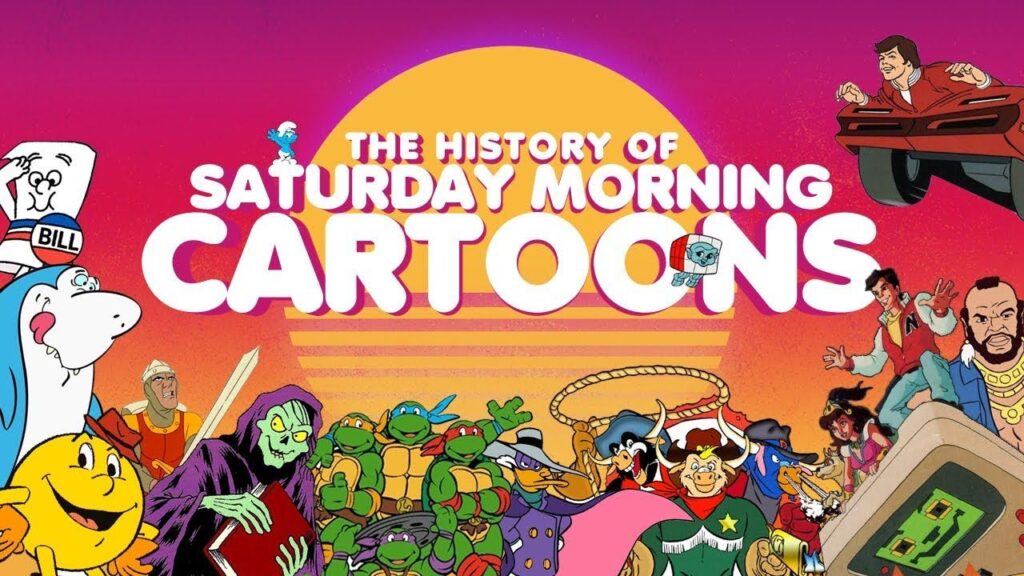
Saturday mornings in the 1980s were a magical time for kids across America. Long before streaming services and 24-hour cartoon channels, children eagerly anticipated waking up early, grabbing a bowl of cereal, and settling in front of the TV for hours of animated adventure. This was the golden age of Saturday morning cartoons, a tradition that defined childhood for an entire generation.
The Birth of Saturday Morning Cartoons
The concept of Saturday morning programming for children began in the 1960s when TV networks realized they could attract young viewers with dedicated blocks of animated shows. By the 1970s and 1980s, this practice had evolved into a powerhouse of entertainment, with ABC, CBS, and NBC competing to create the most exciting and memorable lineups. Toy companies and advertisers capitalized on this trend, leading to a surge of cartoons based on action figures and other merchandise.
The Big Three Networks and Their Iconic Lineups
Each of the three major networks—ABC, CBS, and NBC—had its own distinct approach to Saturday morning programming, offering a variety of cartoons, live-action shows, and educational segments.
ABC: Action, Adventure, and Comedy
ABC featured a mix of superhero action, comedic hijinks, and adaptations of popular franchises. Shows like The Super Friends brought DC Comics’ legendary heroes to life, while The Littles offered heartwarming adventures about tiny people living in the walls of homes. The Real Ghostbusters became a massive hit, capitalizing on the success of the Ghostbusters movie. ABC also introduced Scooby-Doo and Scrappy-Doo, keeping the beloved franchise alive.
CBS: Home to Classic and Toy-Based Cartoons
CBS was a major player in the Saturday morning scene, with an emphasis on toy-based cartoons and classic franchises. Heathcliff and the Catillac Cats and Garfield and Friends provided plenty of laughs for feline-loving viewers. The network also aired Muppet Babies, an imaginative series that showcased younger versions of Jim Henson’s famous characters. Additionally, CBS brought Dungeons & Dragons to the small screen, giving fantasy fans an animated adventure based on the popular role-playing game.
NBC: The Rise of Educational and Live-Action Content
NBC started shifting away from purely action-packed cartoons by the mid-1980s, incorporating more live-action and educational content. The Smurfs became one of their most successful shows, running for nearly a decade. They also aired Alvin and the Chipmunks, a series that revitalized the classic singing trio for a new generation. By the late ‘80s, NBC introduced Saved by the Bell, marking the transition away from traditional Saturday morning cartoons and toward teen-focused programming.
The 1980s were a golden age for Saturday morning cartoons, thanks to vibrant animation, compelling storytelling, and unforgettable theme songs. This era also saw an explosion of cartoon-related merchandise, from action figures to lunchboxes, cementing the relationship between television and toy sales.
However, by the early 1990s, things began to change. The rise of cable networks like Nickelodeon and Cartoon Network, along with new government regulations requiring more educational content, led to the decline of the Saturday morning tradition. By the mid-2000s, most networks had abandoned their dedicated cartoon blocks altogether.
Despite this, the impact of 1980s Saturday morning cartoons is still felt today. Many of these classic shows continue to have a strong fan following, with DVDs, streaming services, and nostalgia-driven reboots keeping the spirit alive. For those who grew up in the ‘80s, Saturday mornings will always be remembered as a special time when the biggest challenge was choosing which cartoon to watch first.